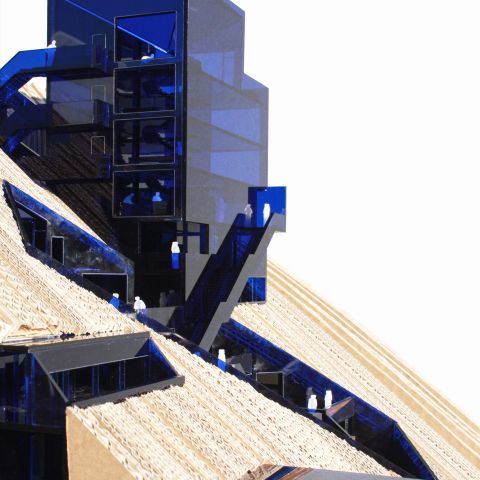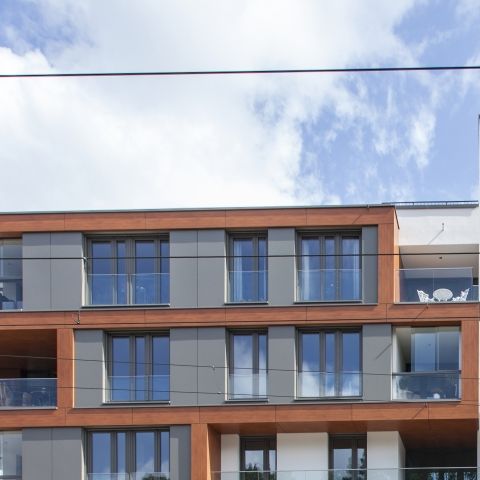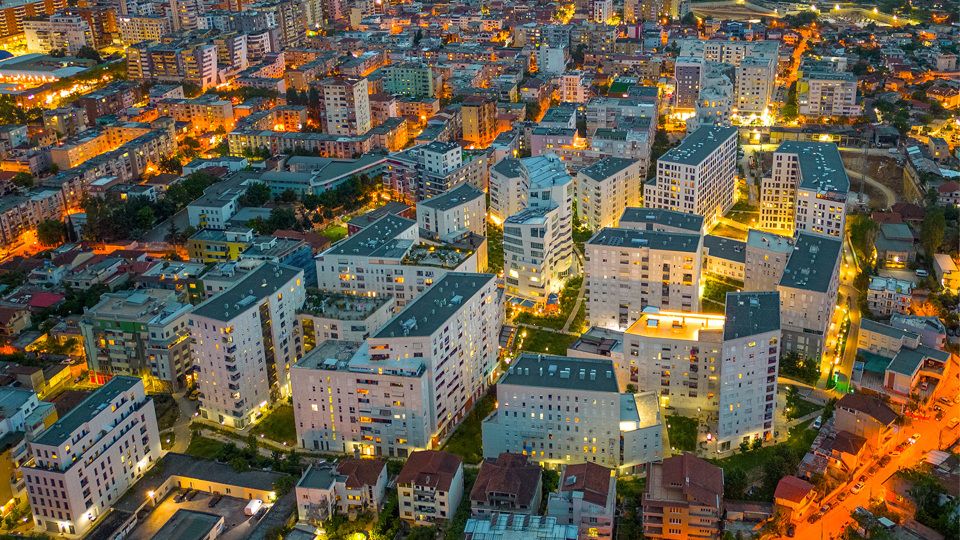
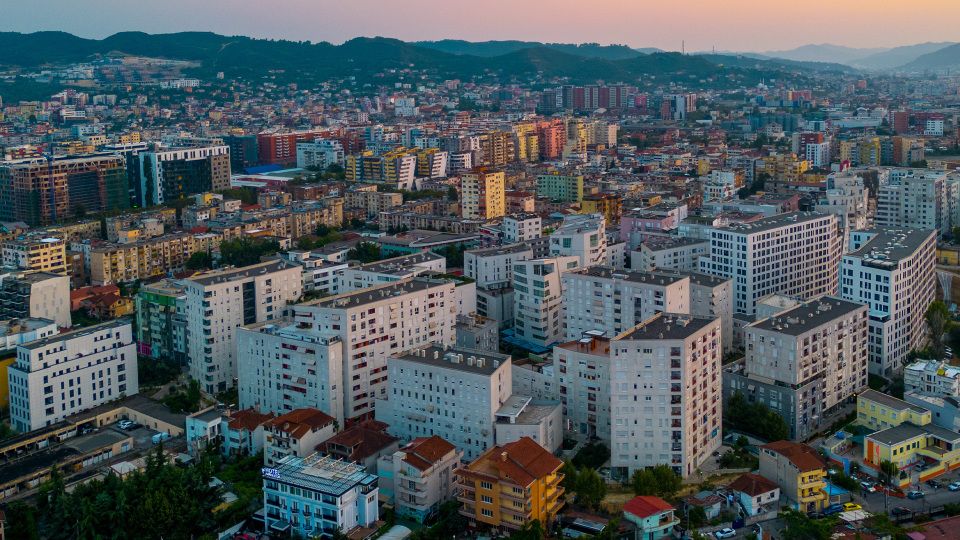
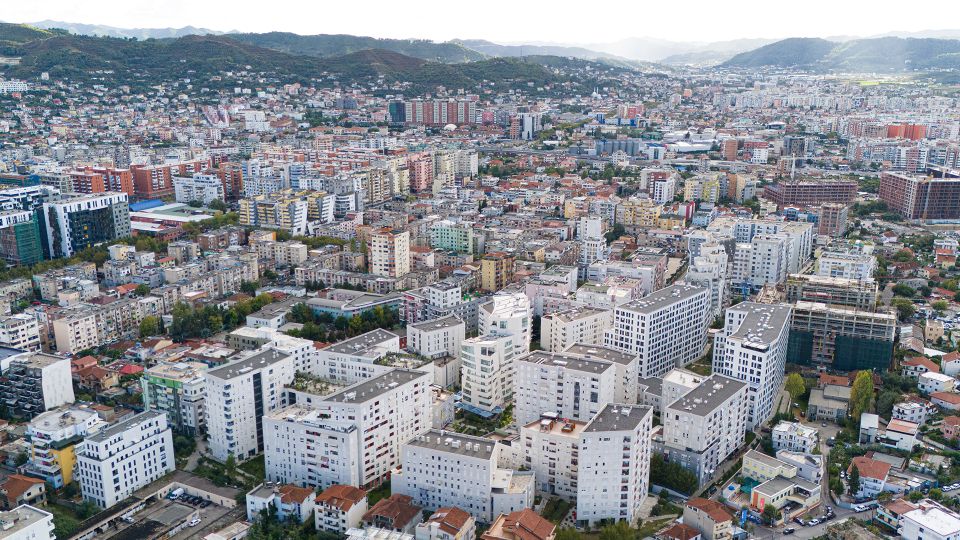
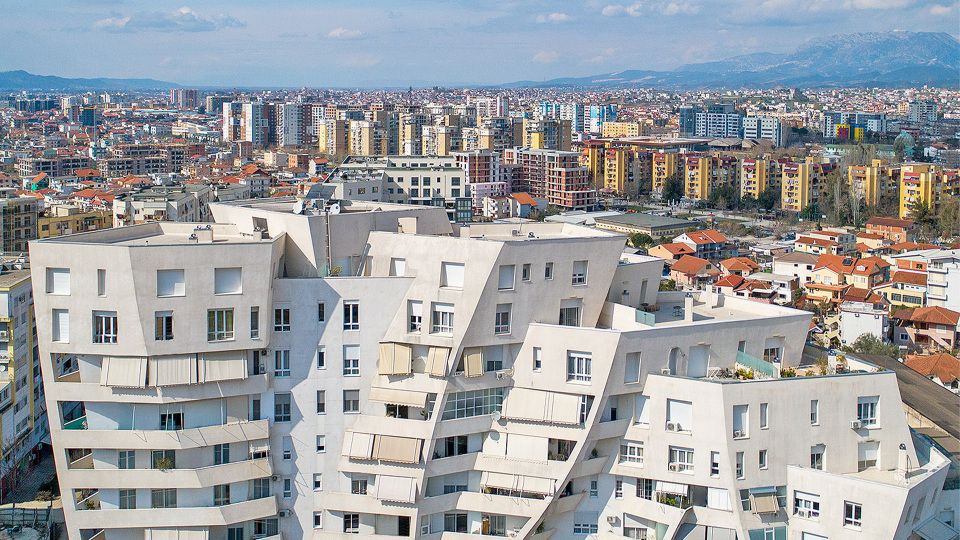
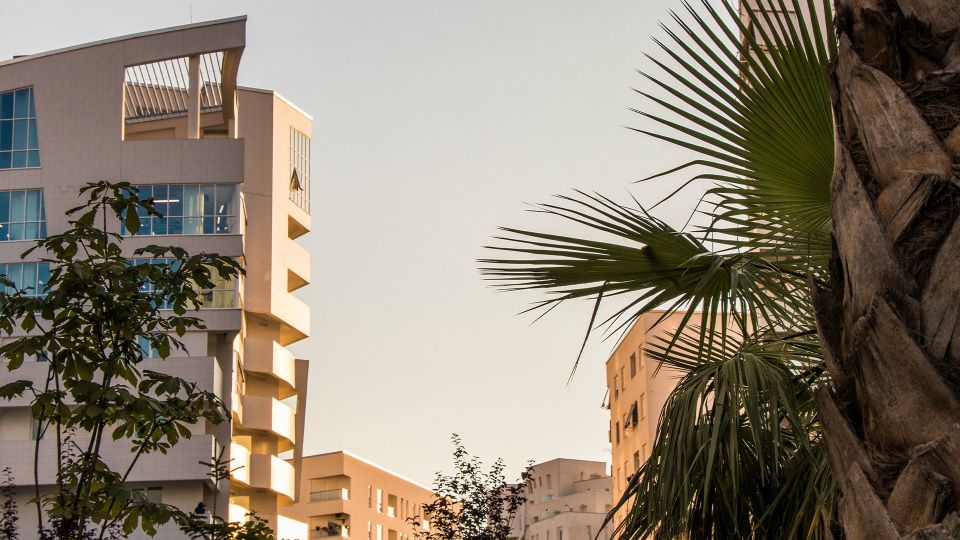
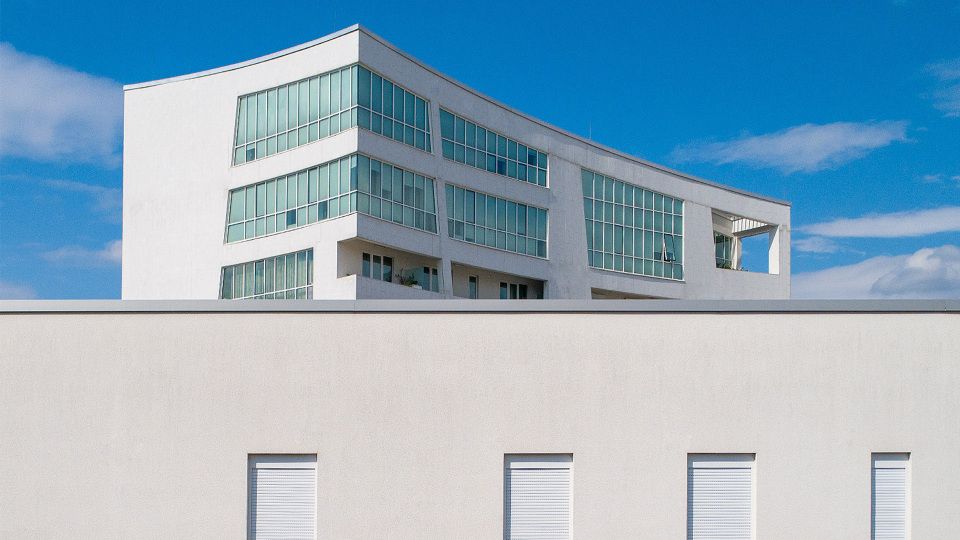
Tirana—and Albania as a whole—have undergone a remarkable transformation, moving from an oppressive totalitarian regime to a free and open society. This profound shift is what inspired Daniel Libeskind to engage with the city. With the Magnet project, his vision was to channel this spirit of liberty and renewal into a new kind of neighborhood—one that embodies openness, vibrant urban life, and a strong sense of place, offering a quality of living that resonates both locally and globally.
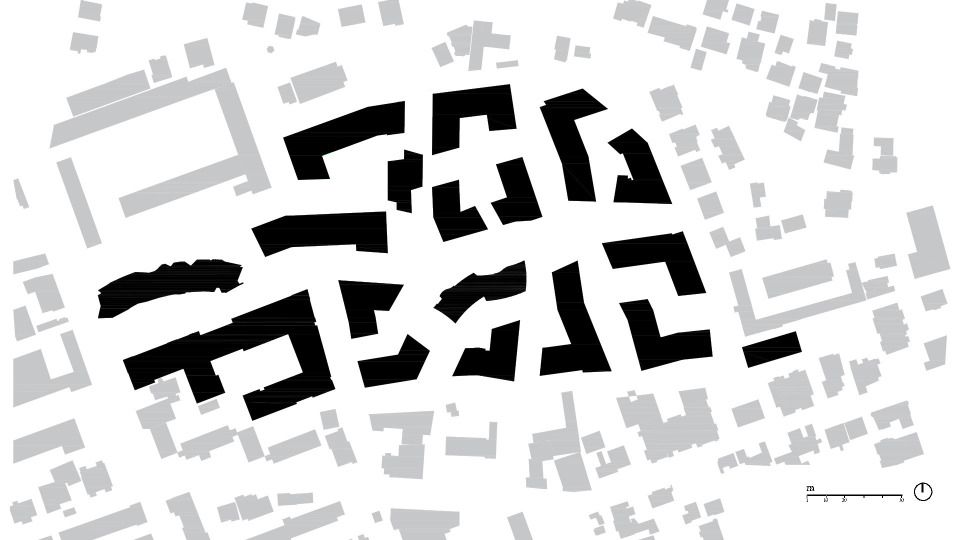
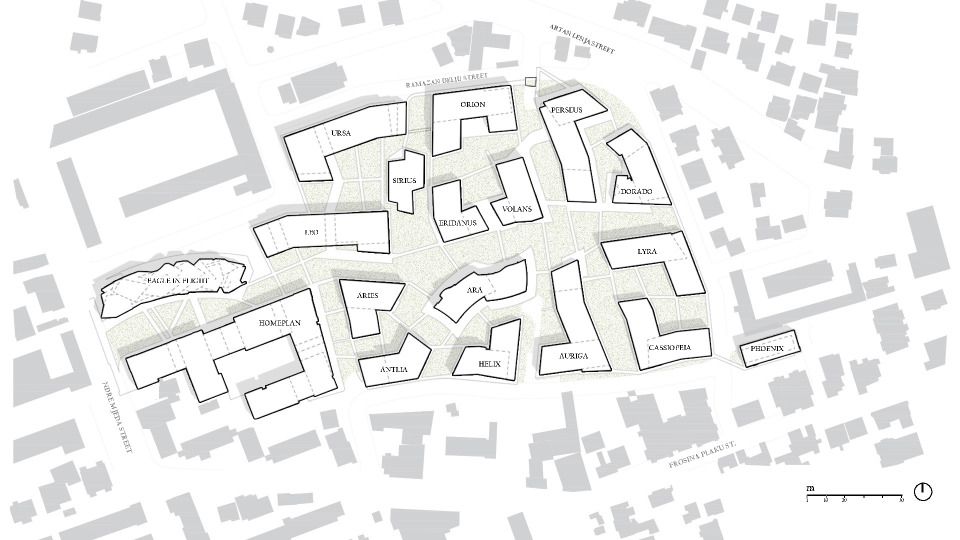
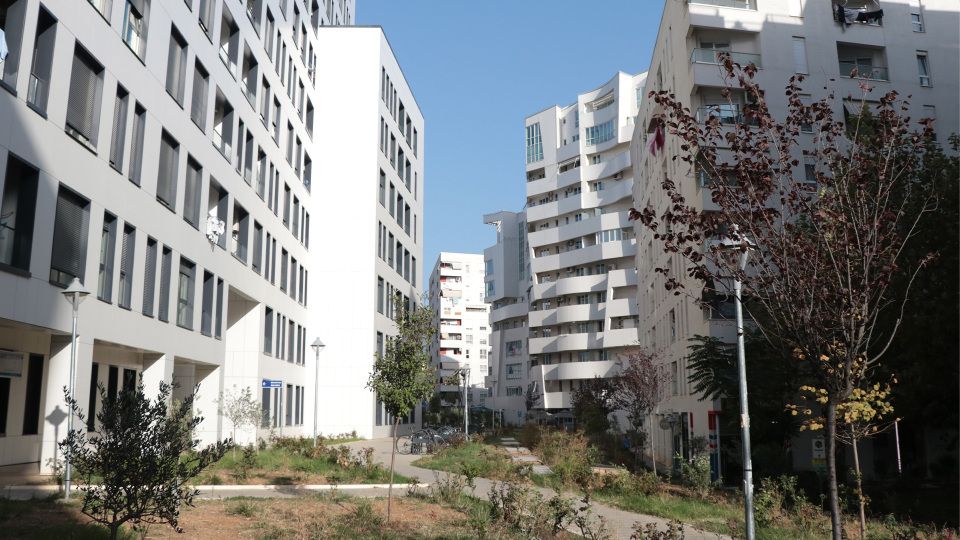
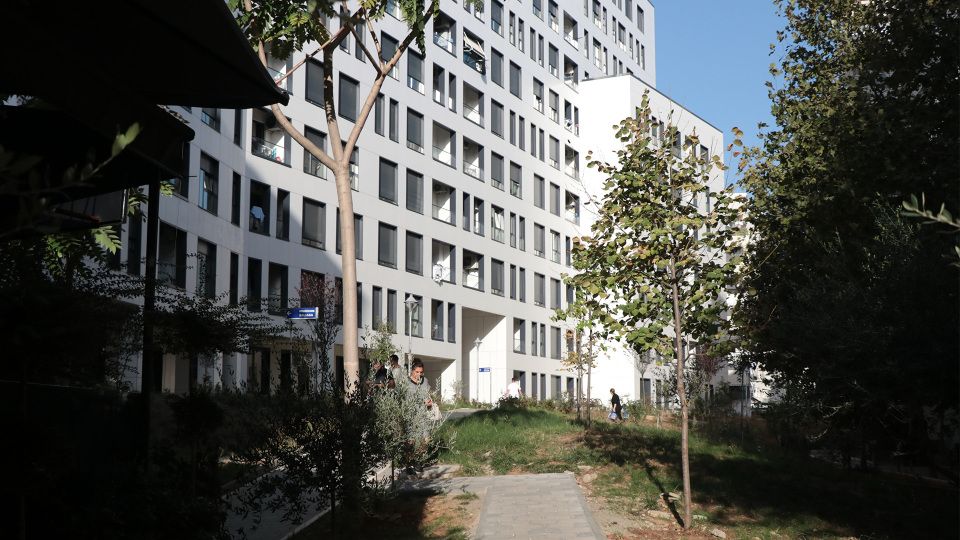
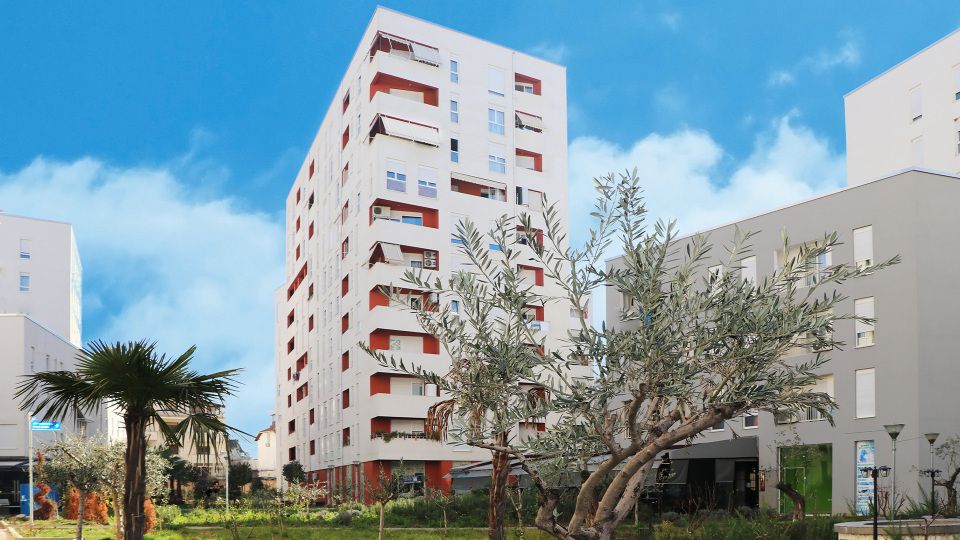
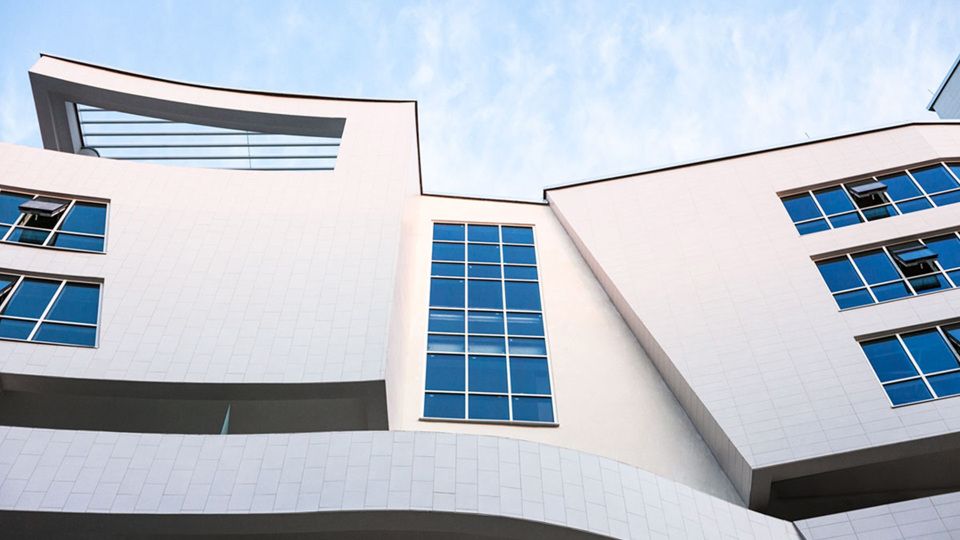
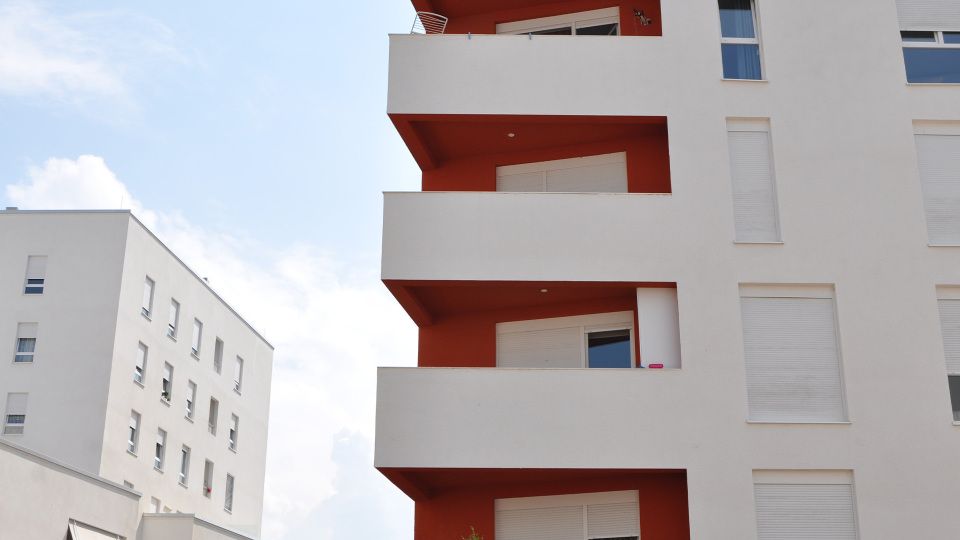
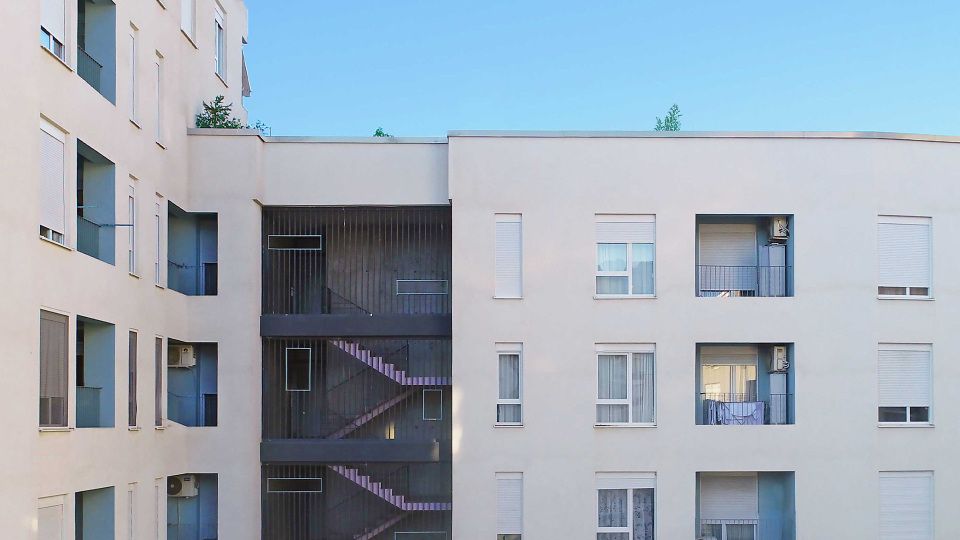
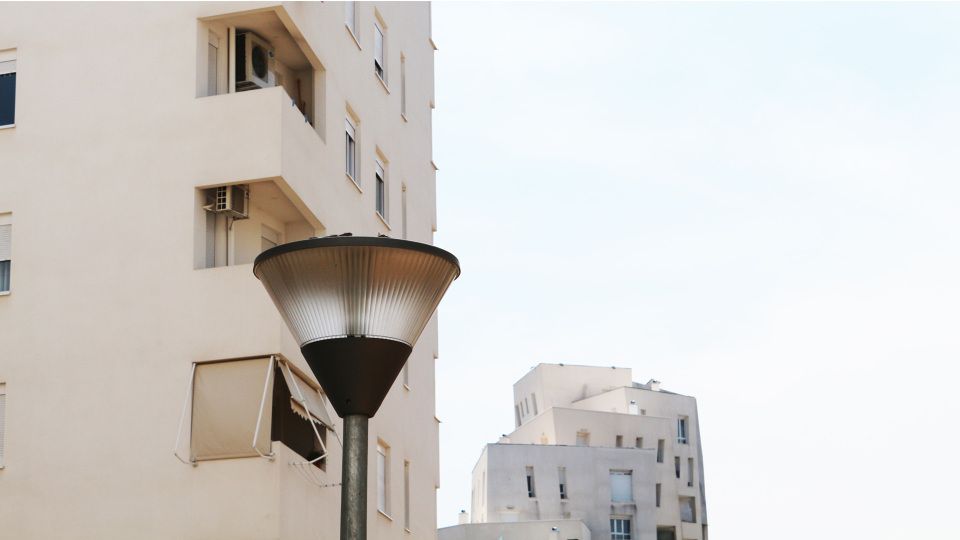
Libeskind’s design introduces a new typology for Tirana — one that contributes meaningfully to the lives of citizens. This is a high-density neighborhood, but it is also a deeply human one: sustainable, ecological, and filled with beautiful vistas, public piazzas, and lively pedestrian energy. At its core, the project is about people — about re-centering urban design around human scale, interaction, and joy.
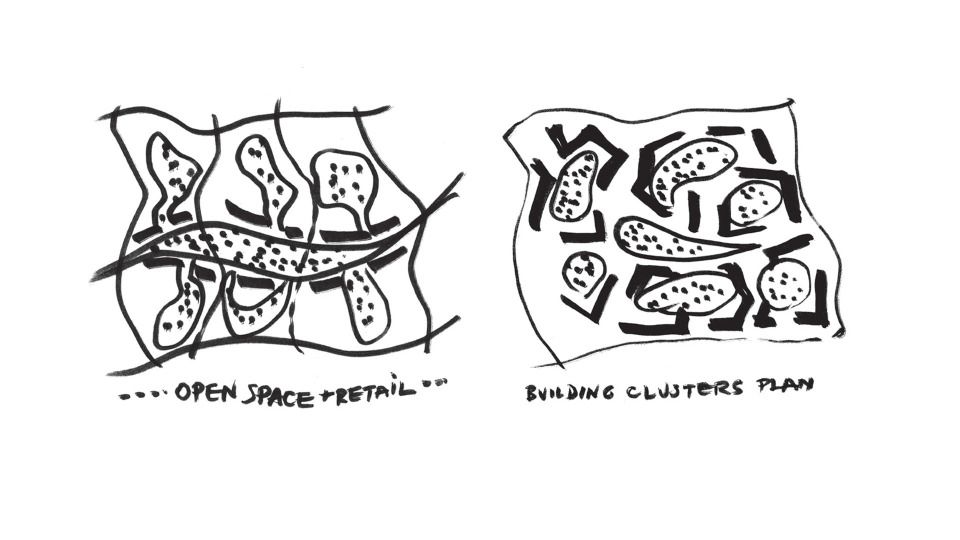
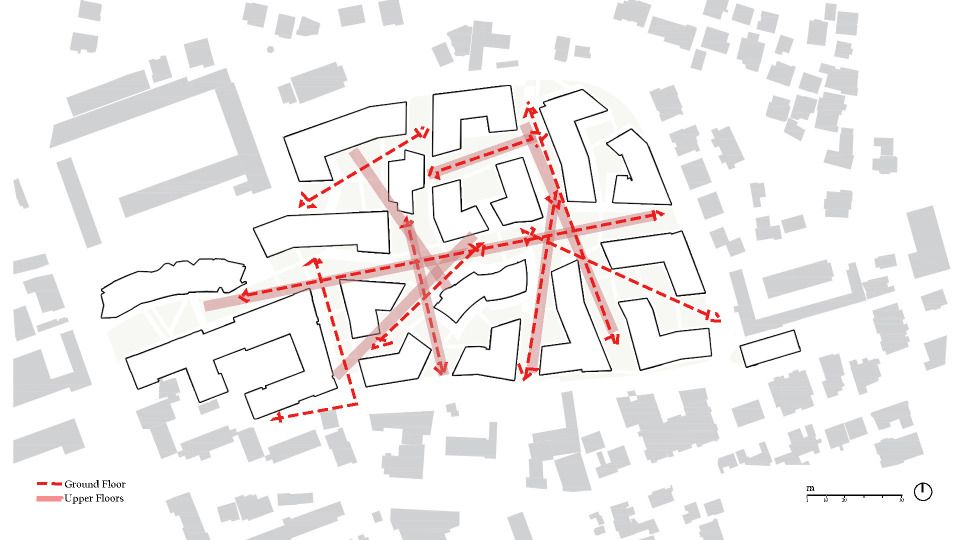
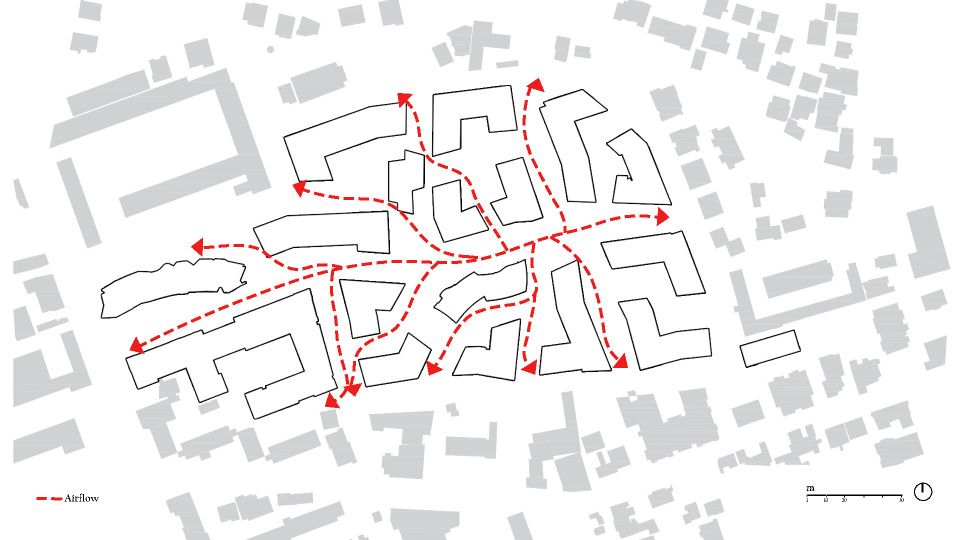
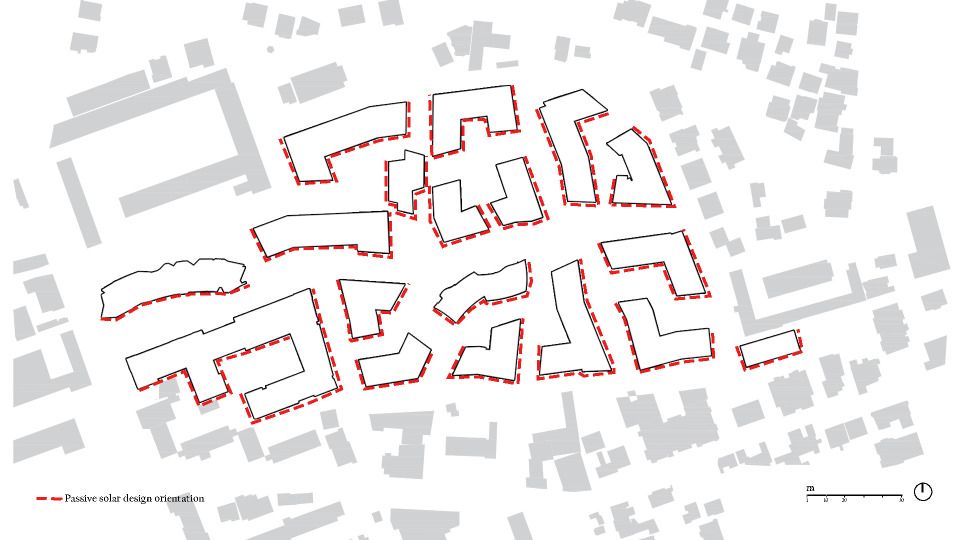
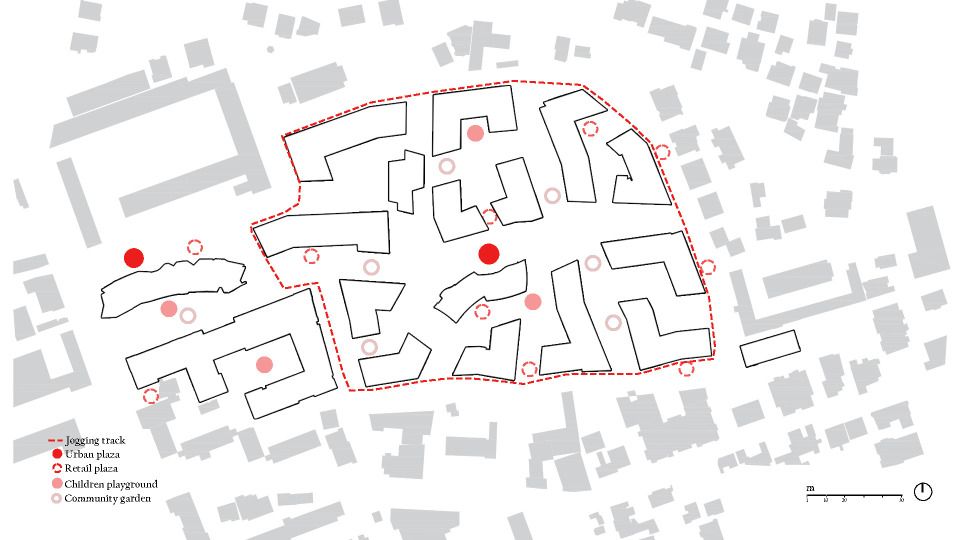
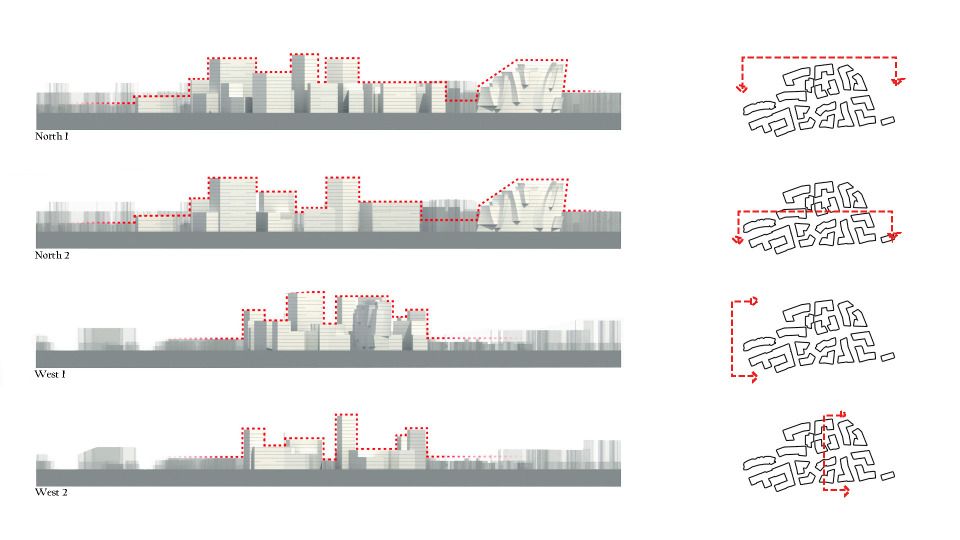
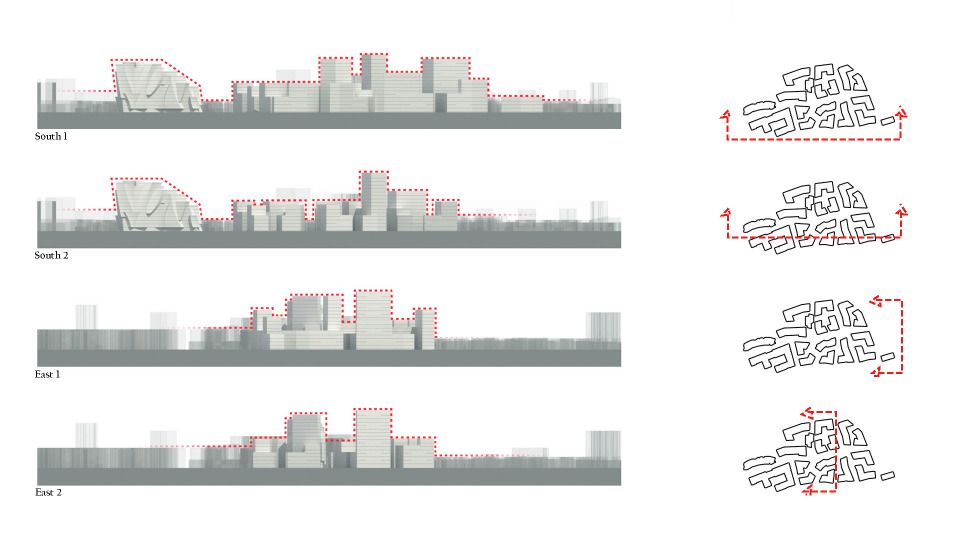
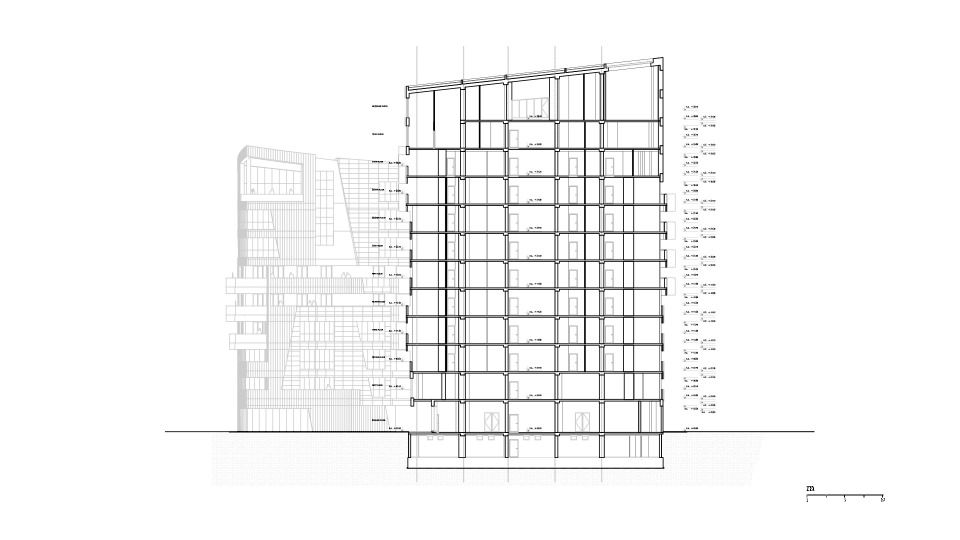
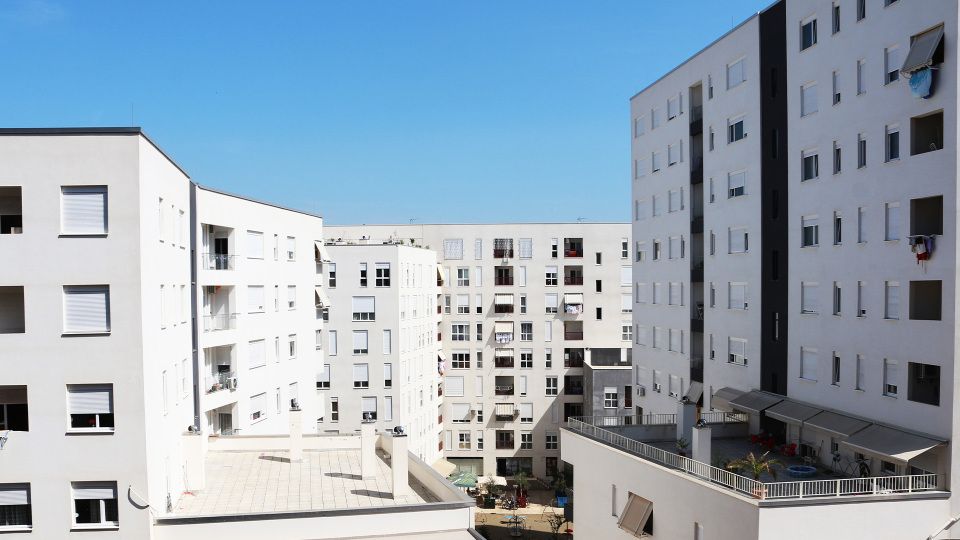
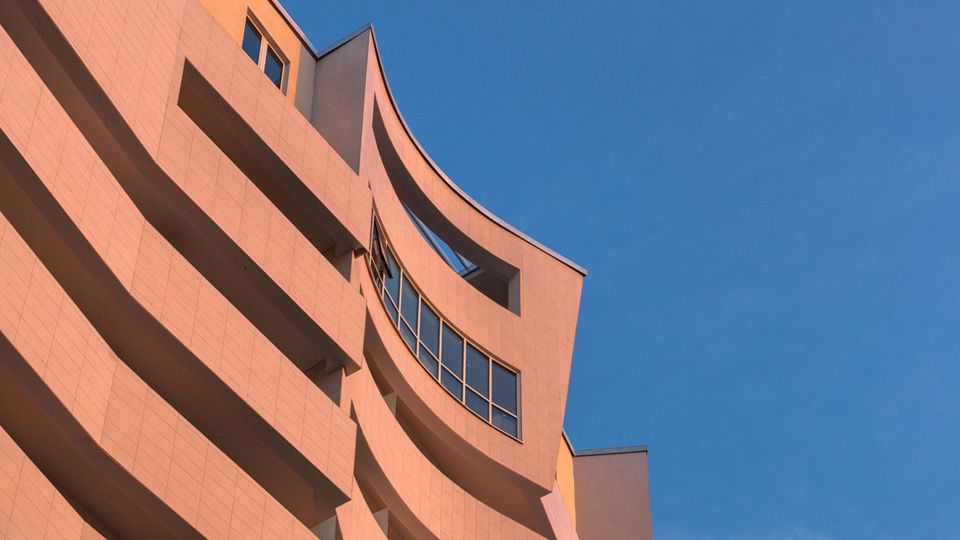
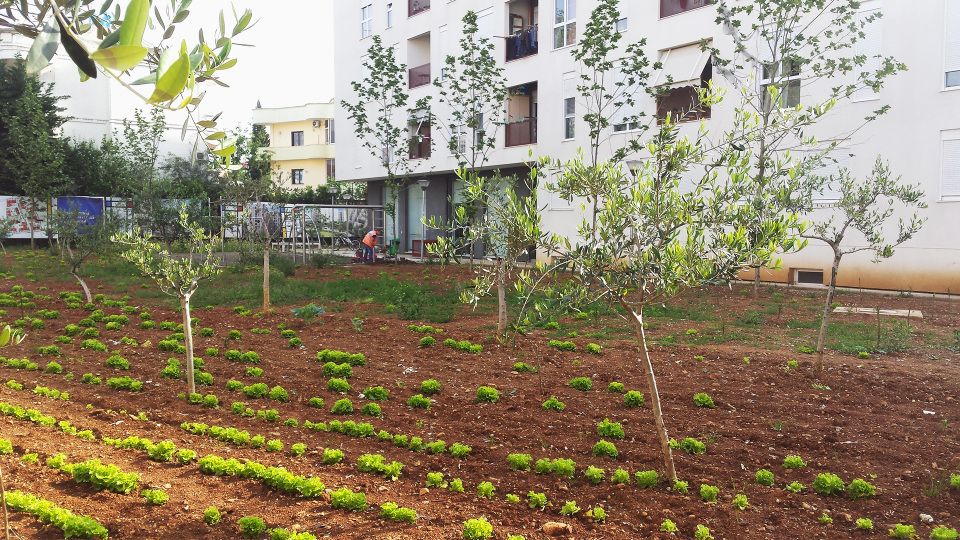
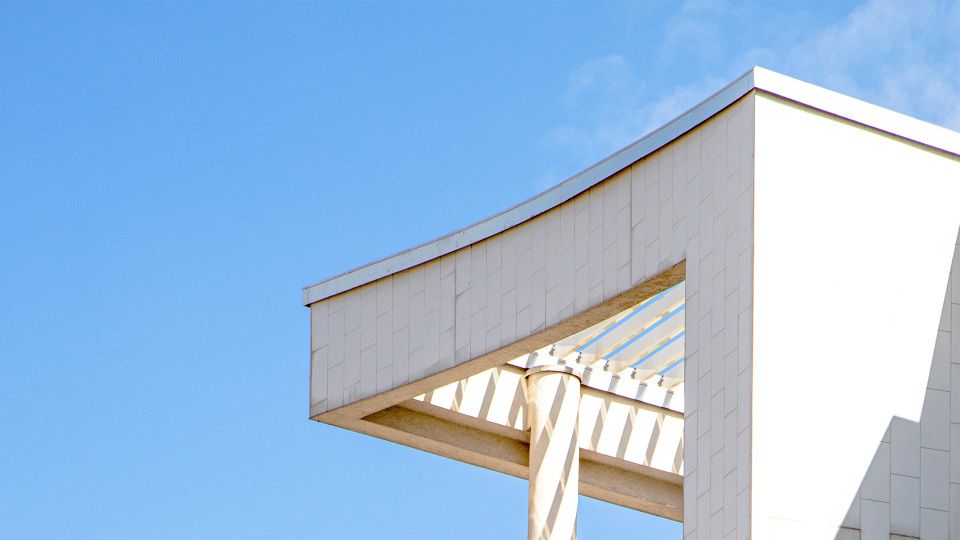
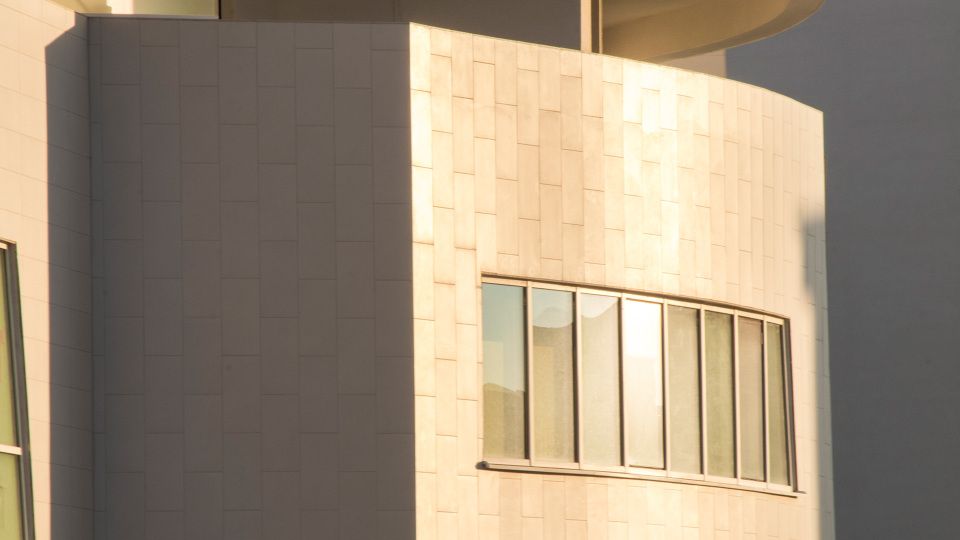
The neighborhood offers space for families, for bicycles, for children, for gathering — with playgrounds, greenery, and amenities that make it a truly livable part of the city. Every apartment is designed to offer light, air, and a strong connection to the surroundings. The blocks themselves are a new architectural idea: open to each other, built around gardens, and connected through a pedestrian network rich with opportunities. This is not just planning — this is creating space through massing, perspective, sky, light, and material. It is a three-dimensional experience of the city.
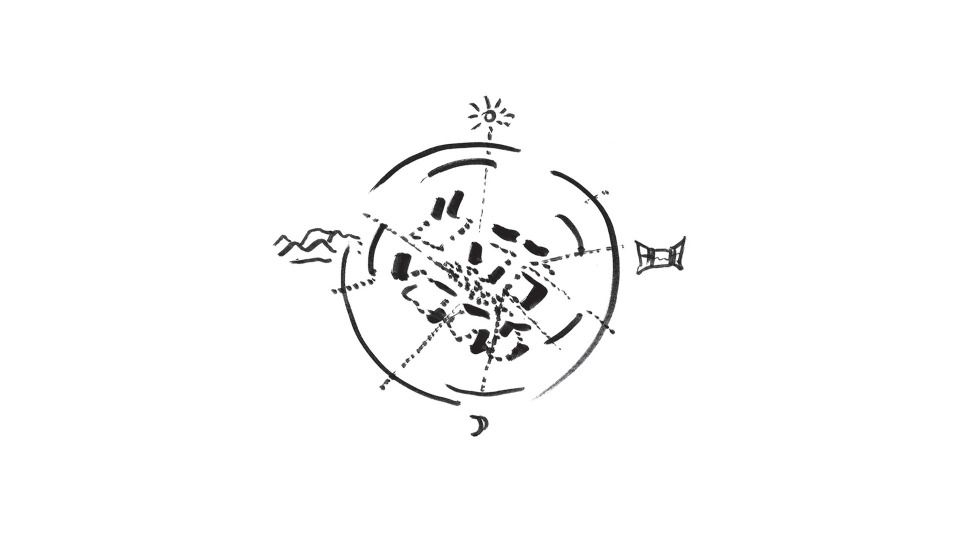
Libeskind explains that the project is based on the genius loci — the spirit of place — and responds to Tirana’s history, its proportions, and its light. Magnet is a continuation of Albania’s evolving urban story, one that reflects coexistence, diversity, and the shared aspirations of its people. It introduces a new philosophy of residential construction — one that rethinks the relationship between human and space.
It goes beyond traditional housing. It offers individuality, openness, and a deep sense of belonging. The relationship we have with space shapes our understanding of ourselves, of place, and of community.
As Libeskind puts it:
“The word ‘statues,’ even the image, is something old-fashioned. I think it is more than statues today — it's about creating spaces, public spaces, that can make people care about things they didn’t know about.”
Magnet is one such space — a place that speaks to the future of Tirana, and to the power of architecture to transform not just cities, but lives.
Libeskind’s design introduces a new typology for Tirana — one that contributes meaningfully to the lives of citizens. This is a high-density neighborhood, but it is also a deeply human one: sustainable, ecological, and filled with beautiful vistas, public piazzas, and lively pedestrian energy. At its core, the project is about people — about re-centering urban design around human scale, interaction, and joy.
The neighborhood offers space for families, for bicycles, for children, for gathering — with playgrounds, greenery, and amenities that make it a truly livable part of the city. Every apartment is designed to offer light, air, and a strong connection to the surroundings. The blocks themselves are a new architectural idea: open to each other, built around gardens, and connected through a pedestrian network rich with opportunities. This is not just planning — this is creating space through massing, perspective, sky, light, and material. It is a three-dimensional experience of the city.
Libeskind explains that the project is based on the genius loci — the spirit of place — and responds to Tirana’s history, its proportions, and its light. Magnet is a continuation of Albania’s evolving urban story, one that reflects coexistence, diversity, and the shared aspirations of its people. It introduces a new philosophy of residential construction — one that rethinks the relationship between human and space.
It goes beyond traditional housing. It offers individuality, openness, and a deep sense of belonging. The relationship we have with space shapes our understanding of ourselves, of place, and of community.
As Libeskind puts it:
“The word ‘statues,’ even the image, is something old-fashioned. I think it is more than statues today — it's about creating spaces, public spaces, that can make people care about things they didn’t know about.”
Magnet is one such space — a place that speaks to the future of Tirana, and to the power of architecture to transform not just cities, but lives.